On Saturday morning in almost any French town, the weekly market transforms the central square or the covered halles into a three-hour social and gastronomic event. Farmers from within 30 kilometers bring what is ready now. The fish stalls carry what came in this morning from the nearest port. The cheese vendors bring what has had enough time in the cave. The man with the mushroom basket gathered them yesterday. Shopping here is not browsing a fixed inventory. It is a conversation with what the season is actually doing.
This is not nostalgia or artisanal theater. It is how food was purchased in Europe until the supermarket created the illusion that everything is available always. The market tradition survived because it produces better outcomes: fresher ingredients, stronger producer-consumer relationships, and a cuisine that reflects what actually grows in this place at this time rather than what can be shipped across a continent and held in cold storage for two weeks.
What the Season Is Doing Right Now
In late spring, the European market conversation is about asparagus. White asparagus — grown under mounds of earth to block sunlight and keep them from developing chlorophyll — is a German and Alsatian obsession so intense it has its own name: Spargel season, which runs roughly from April through the Feast of St. John on June 24th. A German asparagus farmer will tell you, without exaggeration, that the six-week Spargel season is the most important event of the culinary year. The white asparagus is eaten boiled with hollandaise, with cured meats, with melted butter and a hard-boiled egg. It appears on every restaurant menu. It is the subject of genuine enthusiasm and civic pride.
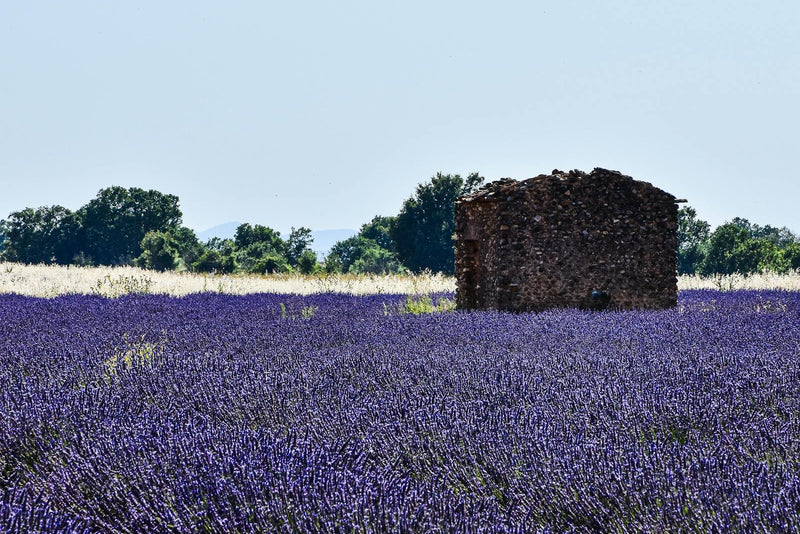
Meanwhile in Provence, the first spring garlic is coming in — ail nouveau, green and moist, nothing like the dried papery heads that get shipped to supermarkets. In Liguria, the first artichokes are being harvested from the terraced hillsides. In Brittany, the butter lettuces are coming in. The French cook’s response to seeing new-season butter lettuce at the market is not to think about what salad to make. It is to buy it immediately, before it is gone, and let the decision about what to do with it happen at home.
The Principle Behind the Practice
The discipline of seasonal eating is essentially this: you do not decide what you want to cook and then go find the ingredients. You go to the market or the farm stand, see what is at its peak, and let that determine the meal. This reverses the relationship between the cook and the ingredient in a way that produces better food. Asparagus that was cut this morning, cooked tonight, needs almost nothing done to it. The same asparagus after four days in transit and two days in a refrigerator needs work to taste of anything at all.
This is why European home cooking often appears deceptively simple: a piece of fish with olive oil and lemon, a salad of just-dressed greens with a glass of wine. The technique is minimal because the ingredient quality is high enough to make elaboration unnecessary, and high enough because the ingredient was purchased in season and recently.
How to Bring It Home
The farmers’ market is the closest American equivalent to the European tradition, with the same caveats: arrive early, buy what looks best rather than what you planned to cook, talk to the farmer, ask what was just harvested. The quality difference between a tomato from a farmers’ market at peak summer and the same tomato in a supermarket in February is not subtle. It is the difference between two entirely different foods.
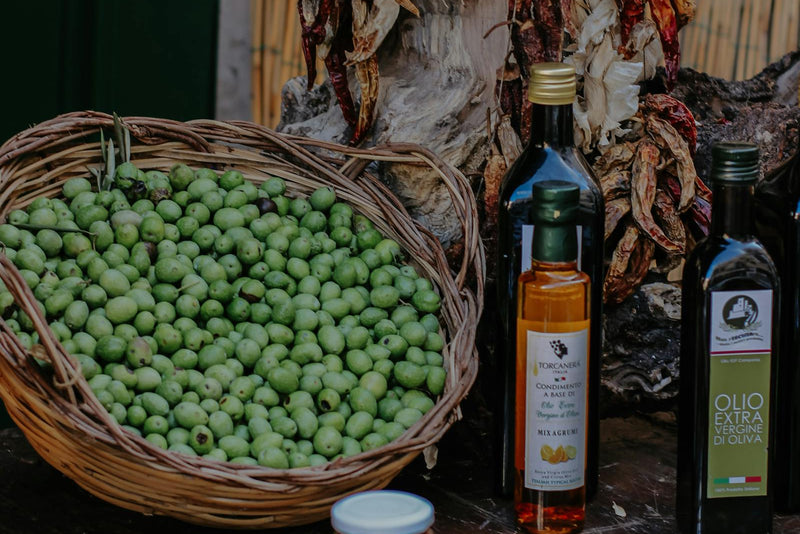
And the pantry staples we carry at Feast & Fable — the olive oils, the vinegars, the preserved fish, the finishing salts — exist to serve this principle. They are not the meal. They are what makes a seasonal ingredient, properly handled, into something worth sitting down for.