The best cooking secret is not a technique. It’s a stocked pantry. The difference between a home cook who produces reliably excellent food and one who struggles is usually not skill or time — it’s the quality of what’s on the shelf. The European culinary tradition, spanning Portugal to Greece and France to Italy, is built on a short list of exceptional preserved and shelf-stable ingredients that make simple things taste extraordinary. You don’t need to make elaborate dishes. You need the right 12 things in your cupboard.
The List
1. Extra virgin olive oil — one for cooking, one for finishing. A more affordable, robust Spanish or southern Italian oil for the pan; a single-estate, freshly pressed olive oil from Tuscany, Catalonia, or Greece to finish dishes and dress salads. The finishing oil is not an extravagance. It’s the difference between a salad that tastes green and a salad that tastes alive.
2. Traditional balsamic vinegar. Not the supermarket bottle. A small bottle of DOP tradizionale or a dense, naturally aged IGP balsamic. A few drops over aged cheese, grilled meat, or roasted vegetables. It lasts for years. You use very little at a time. It is worth the investment.
3. Fleur de sel or quality sea salt. For finishing. Table salt for cooking. The texture and timing of finishing salt is not a cosmetic choice — it affects the flavor architecture of every dish you make.
4. Pimentón de la Vera, dulce. The smoked Spanish paprika that belongs in every pantry regardless of what cuisine you cook most. A spoonful in olive oil, warm, changes everything it touches.
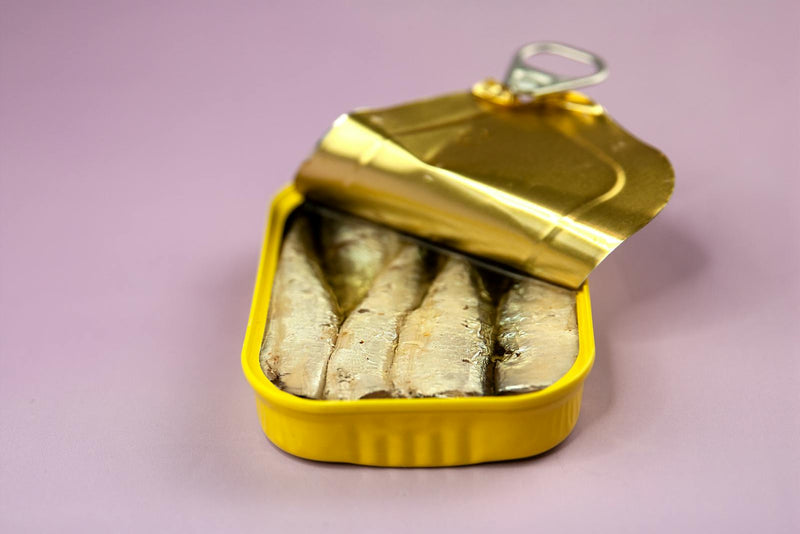
5. Good tinned fish. Cantabrian anchovies in olive oil. Portuguese sardines in good oil. Spanish ventresca (tuna belly). These are not emergency provisions. They are ingredients for some of the best quick meals you can put on a table.
6. Colatura di alici or a quality fish sauce. The umami amplifier. A teaspoon in pasta, braises, or vinaigrette adds a resonance that nothing else replicates.
7. Dried pasta, bronze-cut. The texture of bronze-cut pasta — slightly rough, porous surface — holds sauce in a way that smooth industrial pasta does not. This is not a preference. It’s physics. Della Rocca, Setaro, or Martelli if you can find them.
8. A good aged vinegar for cooking. Sherry vinegar from Jerez, aged in solera, has a depth and sweetness that makes it essential for Spanish cooking and genuinely useful in everything else: deglazing pans, making vinaigrettes, finishing bean dishes.
9. Dried porcini mushrooms. A handful of dried porcini soaked in warm water produces a dark, intensely savory broth that acts as a flavor backbone in risotto, braises, pasta sauces, and soups. The rehydrated mushrooms themselves are an ingredient; the soaking liquid, strained, is another.
10. Peeled San Marzano tomatoes. D.O.P. San Marzano tomatoes, canned at the peak of ripeness in the volcanic soil of the Agro Sarnese-Nocerino area, are the correct tomato for any cooked tomato sauce. Their sweetness, low acidity, and meaty flesh cannot be replicated by other varieties.
11. White beans — dried or jarred. Cannellini, borlotti, or Tarbais beans are the building block of dozens of French, Italian, and Spanish dishes. Dried for long cooking, jarred Spanish beans for quick preparations.
12. Good olive oil-packed tuna. Not water-packed. The oil carries flavor and the tuna should be dense and flaky, not shredded. Spanish ventresca (the belly) is the luxury version; good Sicilian-style tuna in olive oil is the everyday standard. A bowl of beans, tuna, red onion, and good olive oil is one of the finest lunches in the Tuscan tradition.
These twelve items will not clutter your pantry. They will quietly transform it into the kind of kitchen where you can produce something worth eating from almost nothing — which is what European home cooking, at its best, has always been about.