The temptation when building a cheese board is accumulation. More cheeses, more accompaniments, more surface area covered — an abundance that signals generosity and effort. The French approach is nearly the opposite: fewer cheeses, chosen deliberately, at the right temperature, with a small number of things that make each one better without competing with it. The board becomes a curation rather than a display.
Spring shifts what belongs on a cheese board. The heavy, washed-rind cheeses and aged mountain tommes that sustained a winter table give way to younger, fresher, more delicate cheeses that reflect the new season’s milk — richer and more complex after cows and goats return to pasture.
The Spring Selection
A fresh chèvre or crottin at various stages of age. Spring is peak season for French goat cheese. A young, snow-white chèvre frais is clean and bright and lactic. A slightly aged Crottin de Chavignol develops a thin rind and a more complex, slightly peppery interior. Offering one of each — fresh and six-week-old — tells a story about time and transformation.
A brie or camembert at perfect ripeness. The key word is perfect. A brie that is chalky in the center is not ready. A camembert that smells of ammonia has gone too far. The ideal is a cheese that yields to gentle pressure, with a supple interior that flows slightly when cut at room temperature. Buy these from a cheesemonger who will tell you when it will be ready, not from a shrink-wrapped package in a supermarket.
An aged sheep’s milk cheese. A wedge of Ossau-Iraty — the great Basque and Béarnaise sheep’s milk cheese — provides the richness and depth that balances the brightness of the chèvre and the softness of the brie. Its slightly grassy, nutty character is perfect with spring’s first honey.
What Goes With It
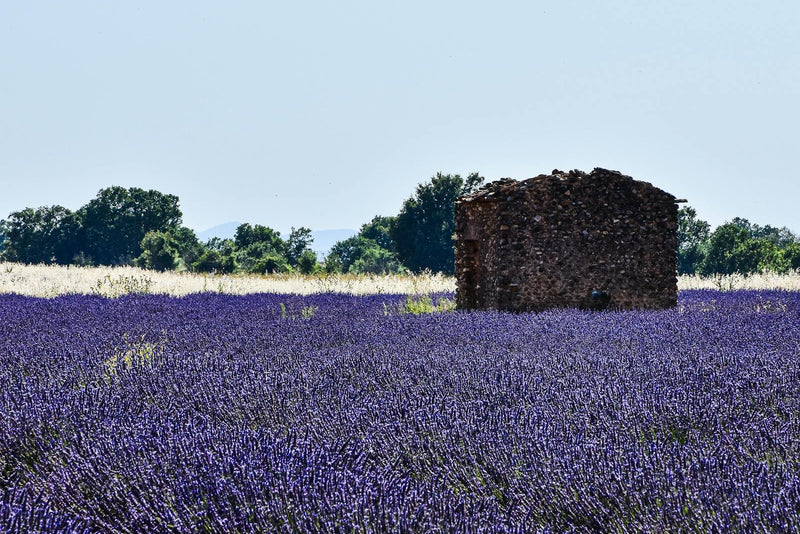
The French board has a small number of very considered accompaniments. Fresh walnuts or toasted hazelnuts. Good country bread — a sourdough with a proper crust — and possibly a baguette, sliced thick enough to carry cheese. A little chestnut honey or lavender honey from Provence for the sheep’s milk cheese. A small bunch of seedless grapes or thin-sliced seasonal fruit. Nothing more. No crackers studded with seeds competing with the cheese. No dried apricots. No chutneys unless you’re making a British board, in which case different rules apply.
Temperature Is Everything
Cheese served cold is not cheese — it’s a simulation of cheese. The fats are congealed, the aromatics are suppressed, the texture is wrong. Remove your board from the refrigerator at least 45 minutes before serving. An hour is better. In a warm kitchen, 30 minutes can be enough for a soft ripened cheese. The soft cheeses should feel yielding under a gentle press. The aged sheep’s milk should feel slightly tacky on the surface.
Serve wine that doesn’t overwhelm. A Sancerre or Pouilly-Fumé with the goat cheeses. A cidre breton or light Burgundy with the brie. The aged sheep’s milk will handle a fuller-bodied white or a light Basque red with surprising ease.
A board built this way takes 20 minutes to assemble, requires no cooking, and will be remembered long after more elaborate courses are forgotten. That’s the French logic of the cheese course. Find the right things. Get out of the way.