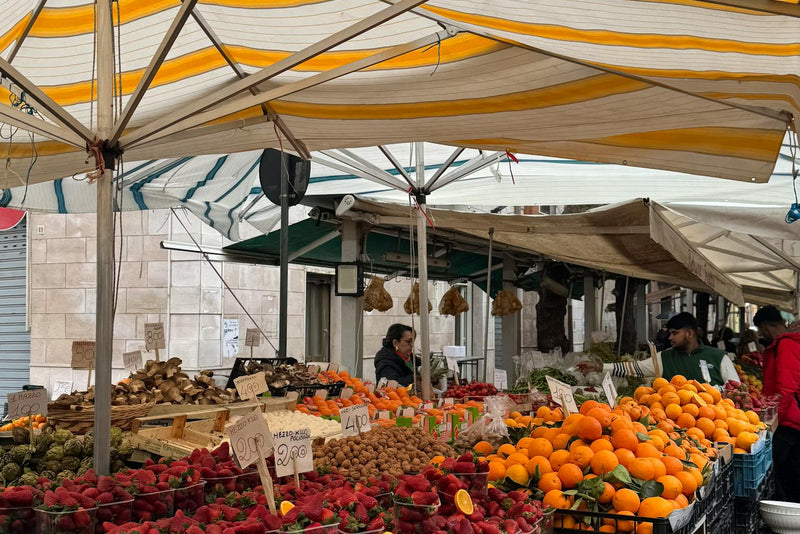
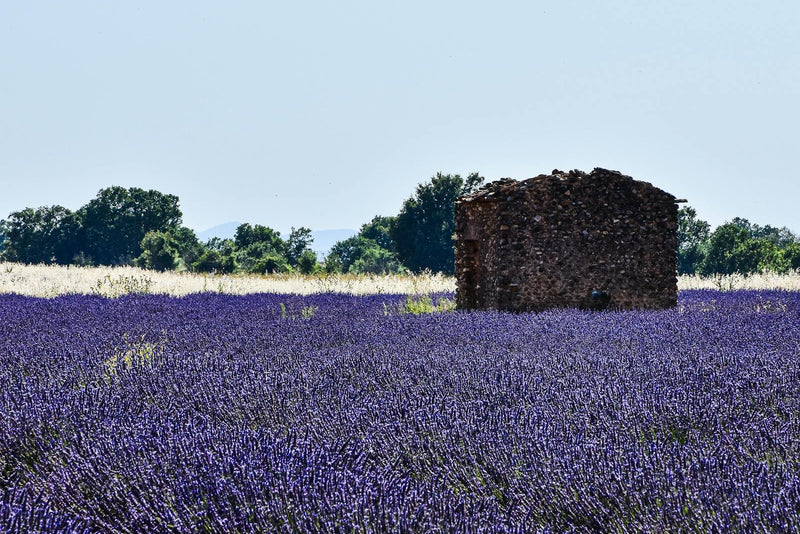
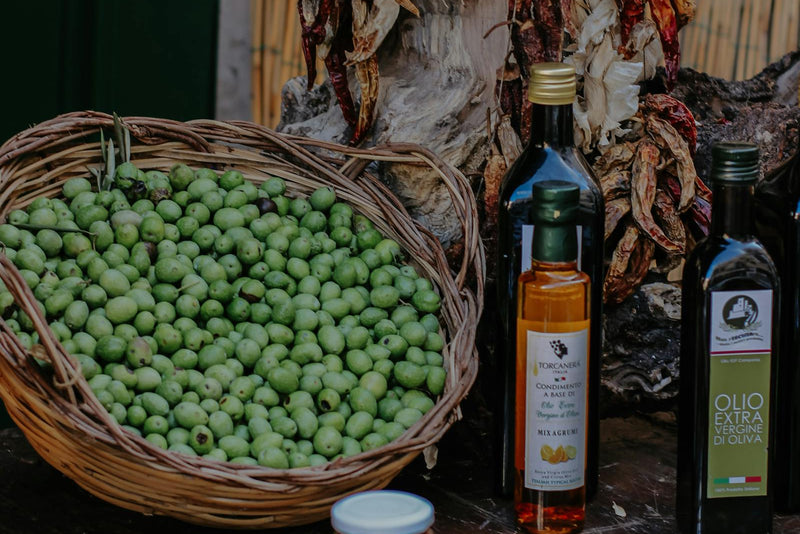
There is a category of Italian cooking that has no English translation and no good equivalent concept in American food culture. The Italians call it cucina povera — the cooking of the poor — and it is, without any irony, some of the best food in the world. Not in spite of its simplicity but because of it. When you have very little, you learn to coax the maximum from each ingredient. You learn to make legumes into something silky and satisfying. You learn that pasta water is not waste. You learn that a piece of Parmigiano rind, simmered for an hour in a bean broth, gives the broth a depth you couldn’t otherwise achieve.
Pasta e fagioli — pasta and beans — is the centerpiece of this tradition. It predates modern Italian cuisine by centuries and exists in virtually every region of Italy in a slightly different form. In the Veneto it is thin and brothy. In Campania it’s thicker, sometimes made with mussels. In Tuscany it’s a dark, smoky version with cavolo nero and pancetta. But the core never changes: dried or fresh beans, pasta, olive oil, and enough attention to make something deeply satisfying out of ingredients that cost almost nothing.
The Base
Start with dried borlotti or cannellini beans, soaked overnight. If you’re in a hurry, good quality tinned beans will work, but the broth you build from dried beans — slow, starchy, slightly cloudy — is the foundation of the dish and cannot be faked. Drain and rinse the soaked beans, cover with fresh water by several inches, add a whole clove of garlic, a branch of rosemary, and a piece of Parmigiano rind if you have one. Bring slowly to a simmer and cook gently until the beans are completely tender — an hour or more depending on their age. Season only at the end; salt added early can toughen the skins.
In a wide, heavy pot, make a soffritto: diced onion, carrot, and celery in generous olive oil, cooked slowly until sweet and collapsed — 20 minutes at least. Add a couple of cloves of garlic and let them soften. A pinch of chili flake, a tablespoon of tomato paste, cook it down until it darkens slightly. Now add your cooked beans with their broth, bring to a simmer, and use the back of a spoon or a hand blender to crush roughly a third of the beans against the side of the pot. This is what gives pasta e fagioli its body — not cream, not flour, just the beans themselves.
The Pasta
Short, stubby pasta — ditalini, tubettini, or broken spaghetti — is the classic choice. Cook it directly in the bean broth, not separately. The pasta releases starch as it cooks and thickens the broth further, making the dish more cohesive. Add more hot water or broth if it gets too thick; pasta e fagioli should be somewhere between a thick soup and a loose stew. The Italians call this consistency all’onda — like a wave, undulating when you shake the pot.
The Finish
Serve at room temperature rather than scalding hot — the flavors are more legible when the dish isn’t steaming. Finish each bowl with an assertive pour of your best olive oil, a grating of Parmigiano-Reggiano, and if you have it, a very light grating of lemon zest. This last addition is not traditional everywhere but it lifts the whole bowl with a brightness that makes everything else taste more like itself.
Leftover pasta e fagioli will thicken overnight into something almost solid. Add water, reheat gently, and finish with olive oil again. The second day version is, if anything, better than the first.