At six o’clock in Milan — or five-thirty in Bologna, or six-fifteen in Rome — something happens. Bars fill. Glasses appear without being ordered. Platters arrive at the counter: olives warmed in herbs, thin slices of something cured, small pieces of cheese, bread that was baked that morning. The workday is definitively over. The evening has not yet properly begun. For an hour, maybe ninety minutes, people are suspended between the two — and the suspension is the point.
This is aperitivo. Not a drink, not a course, but an institution — an approach to the pre-dinner hour that has been refined across centuries of Italian life into something very close to perfect. And it is, despite what its effortless Italian version suggests, completely replicable in your own home.
The Philosophy Before the Spread
The word itself comes from the Latin aperire — to open. The aperitivo hour is designed to open the appetite, the evening, and the conversation. Everything about a well-assembled spread serves this purpose: the drinks are low-alcohol and bitter, to stimulate hunger rather than suppress it. The food is small, varied, and meant to be grazed rather than eaten — no one sits down, no one has a plate. You stand, you move, you talk.
This is the crucial difference between aperitivo and an American cocktail hour. The cocktail hour is often a preliminary to the main event. Aperitivo is the main event. The evening might continue into dinner; it might not. Either way, the aperitivo hour is complete in itself.
The Bitter Drink
The aperitivo drink is almost always bitter. This is not an accident. Bitter compounds — the quinine in tonic water, the cinchona and gentian in Campari, the artichoke in Cynar — stimulate the production of digestive juices and genuine appetite. The Venetians understood this when they created spritz al bitter centuries before the wellness industry discovered digestive bitters.
The canonical aperitivo drinks: the Negroni (equal parts gin, Campari, sweet vermouth), the Spritz (Aperol or Campari, prosecco, splash of soda), the Americano (Campari and sweet vermouth with soda), a glass of chilled Verdicchio or Soave with an olive dropped in. None of these are complicated. All of them work.
The Spread
Something cured. This is the anchor. Thin slices of Prosciutto di Parma, folded loosely on a board. A few slices of Spanish jamón iberico if the occasion warrants it. A selection of salami — Felino, the nduja of Calabria (spreadable, fiery, made to be smeared directly onto bread), or bresaola from Valtellina. Lay these out simply, with room to breathe. The worst boards are the crowded ones.
Something aged. Parmigiano-Reggiano, broken into irregular chunks rather than sliced — the uneven surface area releases more aroma. A young Pecorino alongside something more assertive: a cave-aged Taleggio, or a wedge of Grana Padano. The point is contrast: one mild, one with an edge.
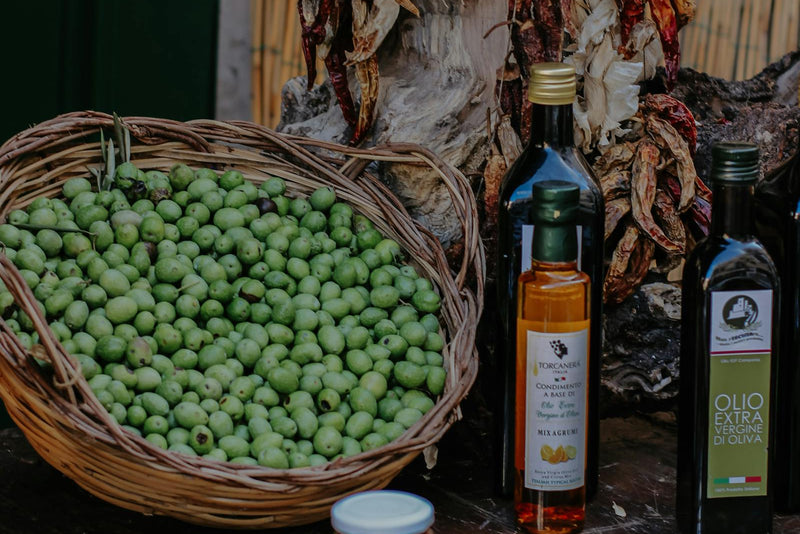
Something preserved. This is where a well-stocked European pantry speaks. Castelvetrano olives for their buttery sweetness, Ligurian Taggiasche for their delicate brine, Kalamata for intensity. A small bowl of marinated artichoke hearts. A tin of good Cantabrian anchovies on the board, placed without announcement — for the people who know, and the people who are about to learn.
Something to carry it. Thin grissini, the breadsticks Turin is famous for — made for wrapping in prosciutto and eating in one bite. Sliced focaccia, never cold. Something with actual flavor: a cracker made with rye or rosemary or sesame, not a neutral vehicle.
One good condiment. A small pot of whole-grain Dijon. A ramekin of honey for the cheese. A small dish of your best olive oil with a few flakes of salt, for dipping. These details signal that the board was considered, not assembled.
The Scale
For two people, this is a handful of each thing — four or five slices of prosciutto, a small wedge of Parmigiano, a few olives in a bowl, a handful of grissini. For eight, the logic multiplies but the approach doesn’t change. The beauty of aperitivo is that it scales invisibly.
The one rule: serve everything at room temperature. Cold cheese and cold cured meat have no place in aperitivo. Cold fat is waxy and resistant; warm fat is silk. Warm the olives in a small pan with rosemary and a strip of orange peel for five minutes. Break the cheese rather than slicing it. Let the prosciutto come to room temperature before you unfold it.
The drinks you already know how to pour. Six o’clock can happen anywhere.